A Cloudy Afternoon Colour Walk for Noticing Subtle Outdoor Hues
A cloudy afternoon colour walk helps you notice how cloud cover changes the view, with a simple route, useful pauses and notes that keep the scene clear.
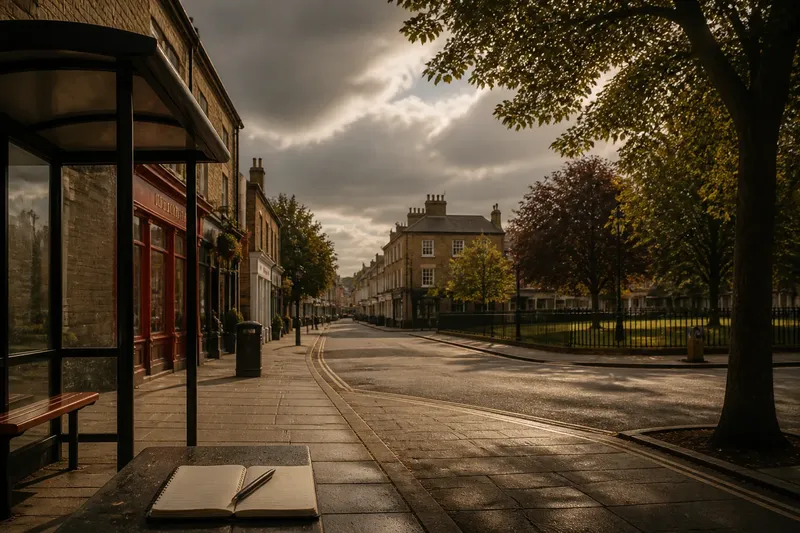
A cloudy afternoon colour walk can turn a familiar route into a study of what the sky is doing. Choose a street with open views between buildings, then watch how the scene shifts as clouds thicken, thin or break apart. The useful question is not which object has the “true” colour, but what changes in the light itself.
How do you choose a route for changing cloud?
Pick a short loop with places where the sky is visible and places where it is partly blocked. A high street that opens into a square, or a residential road with a gap beside a park, gives you contrasting views without needing a special destination. Avoid routes that demand constant attention to traffic or uneven ground.
Take a pocket notebook or use a notes app, but keep your phone away while observing. Record the location and the cloud condition in plain terms: “thin grey cloud, sky visible above roofs” is more useful later than “dull light”. A photograph can help you remember the scene, but screen brightness and camera processing can change its appearance.
What changes as clouds move?
Cloud cover alters the amount and direction of daylight reaching a place. A thicker layer can soften shadows and reduce the contrast between lit and shaded areas. When thinner cloud passes or a gap opens, shadows may become clearer and surfaces may look different even though nothing has moved.
Watch fixed features such as a brick wall, a painted sign or a tree trunk. If the light shifts, ask whether the shadow edge changes, whether a surface appears brighter, or whether the distinction between two areas becomes less obvious. This keeps the walk focused on the changing illumination rather than on naming every colour.
Which observations help separate light from surface?
- Check the shadow edge: If it looks soft and indistinct, note that the light is diffuse; if it sharpens, look for a brighter opening in the cloud and compare the same spot again.
- Check a fixed surface: If a wall or pavement appears brighter while its surroundings remain still, note the change in illumination; if its appearance stays steady, look for a change elsewhere in the scene.
- Check a shaded area: If it becomes easier to distinguish from a sunlit patch, note the increased contrast; if not, move to a place with a clearer view of both areas.
- Check reflections: If a window or puddle brightens as the sky changes, record the reflected sky as a possible cause; if the surface is matte, compare a nearby reflective surface instead.
- Check the open sky: If clouds have a visible gap, observe whether nearby shadows become clearer; if the sky is evenly covered, continue watching for changes in cloud brightness.
- Check your viewing position: If a building or tree blocks the sky, take a few steps to a safe open spot and compare again; if the view is already open, keep your position fixed to track the cloud change.
How can you compare the same scene fairly?
Choose one stationary view and return to it after a short stretch of walking. Stand in the same safe place and look at the same details: a roofline, a pavement shadow and a painted surface. If you move to a different position, the view and reflections may change too, so note that alongside any change in the sky.
Say you begin beside a bus shelter on a street with a red shop sign and a pale pavement. The starting observation is a soft shadow under the shelter while the sky is evenly grey. You walk to a nearby open corner and see a brighter gap between clouds; you return to the same viewpoint, where the sign's shadow edge looks clearer. The resulting note is that the scene’s contrast changed alongside the cloud opening, while the sign and pavement remained fixed. If the viewpoint had changed, the cause would be less clear, so you would record the new position rather than claim the cloud alone changed the appearance.
What should you note during the walk?
Keep each note to three parts: place, sky and visible change. For example: “Square, cloud thinning, railing shadow clearer.” If you see no change, write that too; it helps distinguish a quiet stretch from a missed observation.
Use a phone camera only as a reminder of where to look again. Do not use the screen to settle subtle colour judgements: automatic exposure and display settings can make the saved image differ from the view. A quick written note preserves the observation without pretending to be a precise colour sample.
What do walkers often ask about cloudy afternoon colour walks?
Is a fully overcast sky useful for a colour walk?
Yes. Even, grey cloud can make shadow boundaries less distinct, giving you a clear starting condition. Look for changes in cloud brightness or compare a sheltered view with an open one.
Should I wait for a break in the clouds?
You can, but the walk does not depend on sunshine. If a brighter gap appears, compare a fixed object before and after it passes; if the sky stays covered, note how stable the shadows and surfaces remain.
Can I use my phone camera to compare colours?
Use it to remember the location or framing, not as a reliable colour reference. If a subtle change matters, record what you saw in words and return to the same viewpoint.
What if the weather does not change during the walk?
Record the stable conditions and compare places with different exposure to the sky. If both views appear similar, choose a spot with a clearer shadow or reflective surface for another observation.
How can you finish with a useful comparison?
Near the end of the loop, revisit the first view if it is safe and convenient. Compare the same fixed feature and note whether the sky, shadow or reflection has changed. This simple check gives your cloudy afternoon colour walk a specific result: a record of what the light did, or of how steadily it held.
Keep the final note tied to an observable detail. “The cloud brightened, but the shelter shadow stayed soft” is more useful than a general verdict about the weather, and it gives you a clear point of comparison on another grey afternoon.