The Brightest Spot Is Not Always the Best Place to Look
Learn why the brightest spot does not always attract attention, and use a simple viewing routine to identify which details deserve your attention.
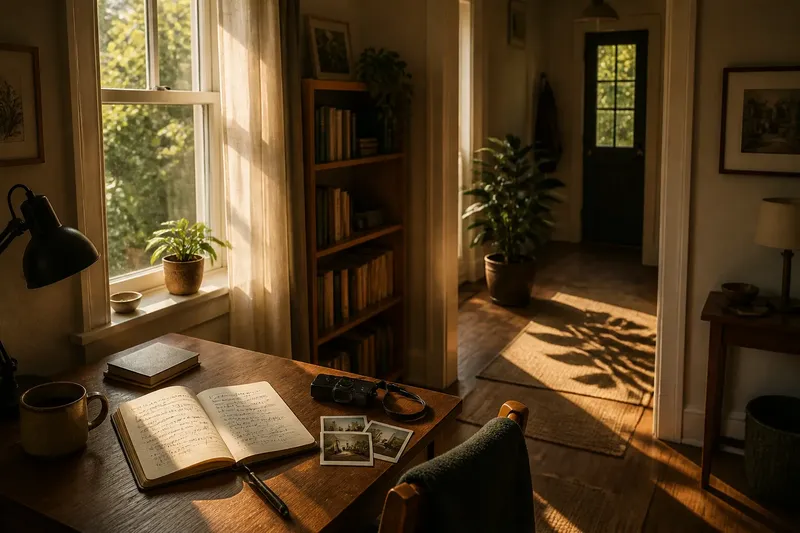
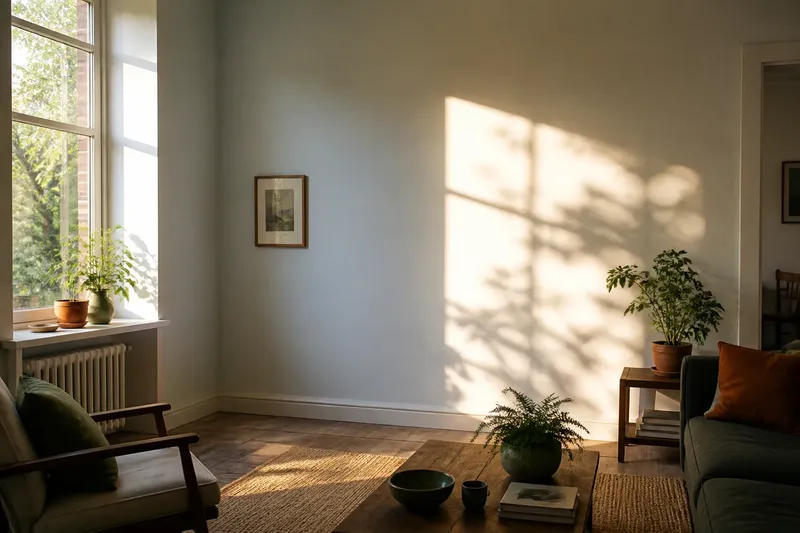
Why does a sunlit window catch your eye while the doorway you need to find seems to disappear? The brightest spot is not always the best place to look: attention also follows interruption, movement and the way a scene is organised over time.
Why can a small change in a scene catch your eye?
Vision is alert to change. A curtain shifting in a draught, a display switching on or a person crossing a doorway can draw attention because something has altered. A bright surface that stays unchanged may become part of the background.
This is different from asking which object has the strongest contrast. Contrast describes differences within a view; change describes what happens across moments. Both can matter, but they answer different questions. A still photograph can suggest contrast. It cannot show how a light flickers or a moving shadow travels across a wall.
Try watching a familiar room without immediately naming its objects. Notice what moves, what stays steady and which transitions pull your attention. This helps separate a brief visual event from a feature that remains useful after the scene settles.
How can you track light as it changes?
Choose one fixed viewpoint, such as a chair beside a window or the entrance to a hallway. Observe the same area at different parts of the day, and note changes in the direction of light, the shape of shadows and any reflections that appear. A notebook is enough; a phone camera can help record the sequence, but treat its images as reminders rather than exact records of colour or brightness.
Keep the notes concrete. Write “sun patch moved from the floor to the bookcase” rather than “the room became nicer”. Record whether a detail became easier to recognise, harder to see or simply different. If the weather changes between observations, include that too, so you do not mistake a cloudy interval for a regular daily pattern.
Say you want to know why a hallway plant sometimes casts a long shadow across the entrance. Imagine noting its shadow from the same doorway at morning, midday and later afternoon, while recording whether the sky is clear or overcast. The notes might show that the shadow crosses the entrance only when direct sun reaches the plant; you could then decide whether to move the plant or simply expect that changing view.
What should you record during a viewing routine?
Use a short observation list. Each item links something you can see to a decision about what to do next; it does not assume that brighter or more dramatic is automatically better.
- Shadow position: Check whether a shadow crosses the detail you need to see; if it does, observe again from another time or shift the object, otherwise leave its position alone.
- Reflection: Check whether a window or lamp appears on a screen, glazed picture or polished surface; if it hides useful detail, change your viewing angle or reposition the surface, otherwise keep the arrangement.
- Movement: Check whether a moving curtain, branch or passing person repeatedly draws your eye from the task; if it does, change the task position or reduce the distraction, otherwise treat the movement as incidental.
- Changing daylight: Check whether the view changes between clear and overcast conditions; if a detail becomes difficult to recognise in one condition, plan a separate check for that condition, otherwise no special adjustment is needed.
- Artificial light: Check whether a lamp or display changes brightness, colour or direction during use; if the change disrupts the task, adjust its setting or position, otherwise keep it as it is.
- Viewing position: Check the scene from the seat, doorway or work position where it matters; if the feature disappears from there, change its placement or the viewing route, otherwise retain the current layout.
How do you tell a passing distraction from a useful cue?
A passing distraction pulls attention but does not help you act. A useful cue makes a relevant change easier to notice: a porch light switching on may signal that the entrance is active, while a reflection flashing across a screen may obscure the text you are reading.
Ask what the change tells you and whether it appears at the right moment. If the answer is unclear, observe it again from the position where the decision has to be made. Do not judge a cue only by how strongly it attracts your eye; ask whether it helps you find, read or understand something.
What questions help explain a changing view?
Why does daylight make a shadow move?
As the sun’s apparent position changes, the direction and shape of shadows shift. Clouds can soften or interrupt them, so a single observation may not represent the view throughout the day.
Why can a reflection appear only from one seat?
A glossy surface reflects light towards some viewing positions and away from others. Move a little to see whether the reflection changes before deciding that the surface or lamp needs to be moved.
Can a phone photograph show exactly how bright a room feels?
Not reliably: a phone adjusts its camera to make an image, and the screen displays that image under its own conditions. Use photographs to compare where a shadow or reflection appears, then check the actual scene with your eyes.
When should I change a lamp rather than wait for daylight?
If you need a detail to remain visible during a task, check it under the light available at that time. Adjust the task light if the area is difficult to use; if the issue is a reflection or a moving distraction, try changing the angle or position instead.
When is it better to leave the scene alone?
Not every striking change needs a correction. A shifting sun patch may be pleasant and harmless; a moving reflection may matter only from a seat nobody uses. Before adjusting a lamp, blind or object, connect the change to a real need such as reading a label, finding a doorway or seeing a work surface clearly.
When you search for why the brightest spot is not the best place to look, include time and viewpoint in your check. A brief observation routine can reveal whether attention is being pulled by motion, a changing shadow or an intermittent reflection. Then you can respond to the specific cause—or decide that no change is needed.